Mental health and wellbeing in film and TV remain "unacceptably poor", and “substantially worse” than in the general workplace, despite some improvements that are to be “cautiously encouraged”, according to the latest Looking Glass survey.
The Film & TV Charity’s biannual report shows that 31% of respondents classify their mental health as “poor” or “very poor” – down from 34% in 2024; among freelancers, the drop was even sharper, from 38% to 31%.
However, this is still nearly twice the UK workforce average of 16% and the second worst figure since the first report in 2019.
Some 56% said working in the industry affected their mental health, down from 61% in 2024 but more than double the 25% UK average.
Many of the positive changes identified in the survey are concentrated among freelancers, who represent three-quarters of respondents and whose demographic profile remains broadly in line with previous surveys.
Improvements include those reporting high levels of loneliness (27% vs 32% in 2024), having suicidal thoughts (32% vs 23%) and saying work negatively affects their mental health (57% vs 67%).
Freelancers also remain less likely to disclose a mental health issue at work. While 69% of permanent staff said they had shared their experience, this drops to 51% of freelancers.
One bright spot of this year’s survey is that the percentage bullying, harassment and discrimination experiences reported by respondents has dropped by almost a third in the past five years.
The percentage who said they had experienced such behaviour now sits at 37%, down from 41% in 2024, itself a drop from 2021’s peak figure of 53%.
The findings point to a general belief that clearer reporting policies and processes are in place, with only 14% saying they did not report bad behaviour because they thought they would not be believed, down from 18% in 2024.
More than half - 51% - now said they knew where to get support if they experienced bullying, harassment or discrimination, up from 45% in 2024.
“This shows what sustained, sector-wide action can achieve,” said F&TVC chief executive Marcus Ryder.
“Years of collective focus, clearer expectations and greater accountability are beginning to shift people’s experiences. Of course, that work must continue, but it should also give us confidence that change is possible and provide a model for bringing the same coordinated approach to mental health and wellbeing.”
With 3,394 people completing the survey – of whom three-quarters are freelance - Ryder highlights, that a single percentage shift on a key indicator could equate to between 2,000 and 2,500 people.
“Systems change tends by its nature to be slow work, requiring patience and resolve, but sustained over time, small movements can represent thousands of people facing less harm, receiving better support and having a greater chance of building healthy, durable careers,” Ryder said.
“But we should not conclude that the job is done. We should ask what we could achieve if we used that progress as a reason to redouble our collective effort.”
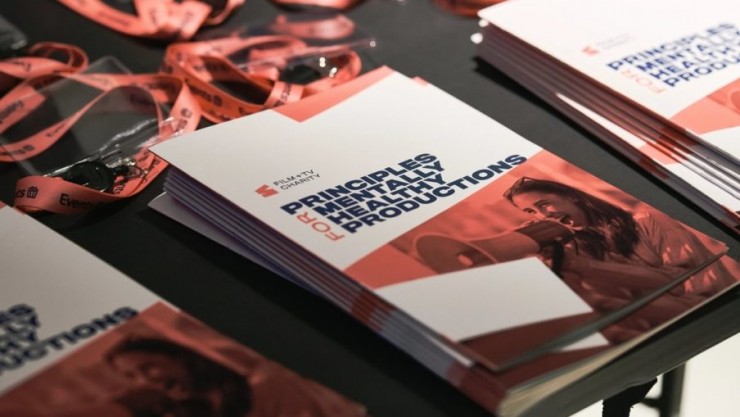
Ryder urged employers to embed the Principles for Mentally Healthy Productions, which the F&TVC drew up in response to previous findings, and to use the latest survey to set priorities and measure progress.
“Share what works, learn from one another, and take responsibility for delivering change,” he said.