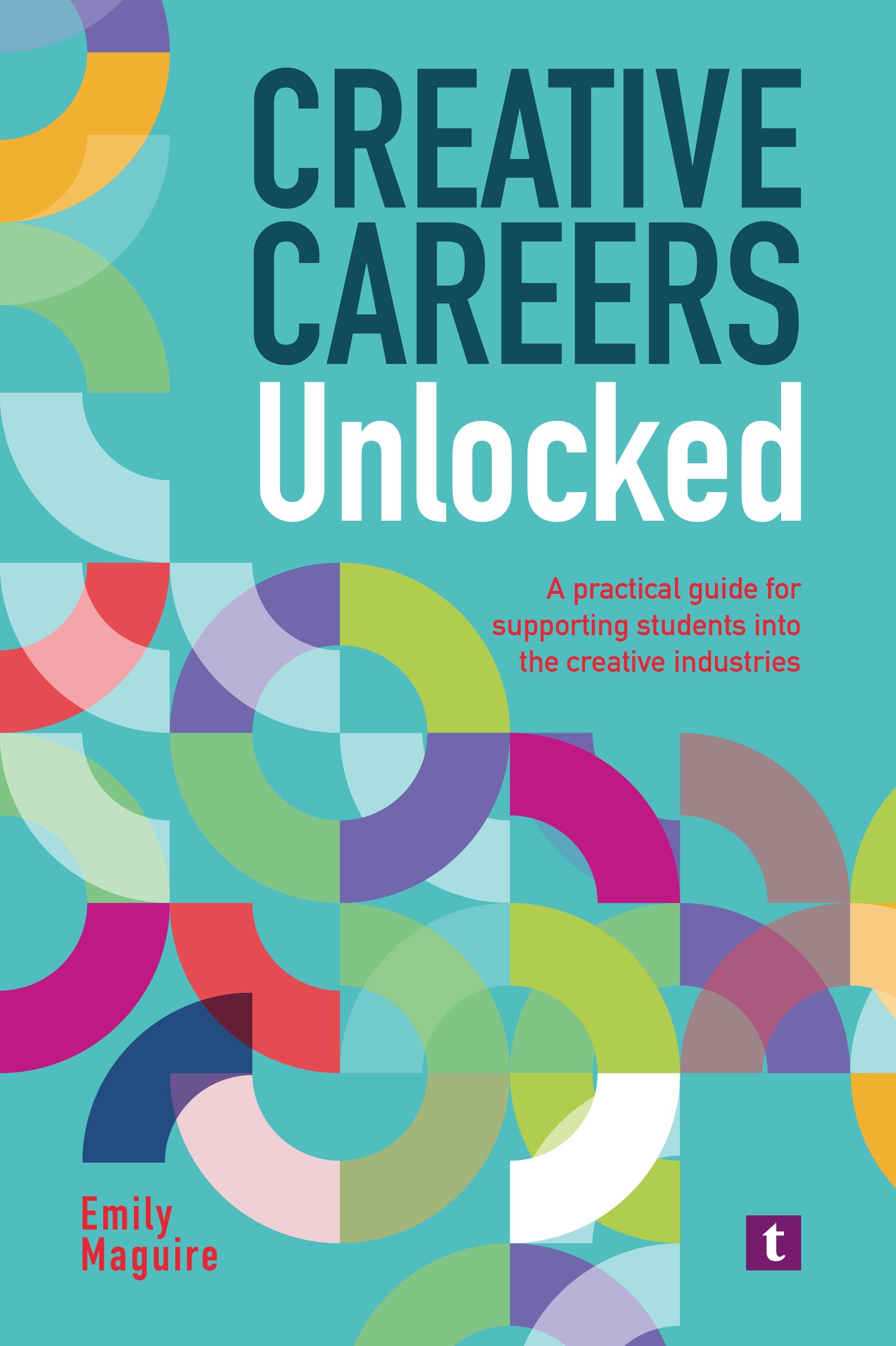
One month to go until Creative Careers Unlocked is published with Trotman.The book includes real industry insight and case studies designed to help make creative-career pathways clearer for young people, educators and those supporting new entrants into the... Read more
One month to go until Creative Careers Unlocked is published with Trotman.
The book includes real industry insight and case studies designed to help make creative-career pathways clearer for young people, educators and those supporting new entrants into the sector.
My thanks to:
Mel Rodrigues and Sidra Faridi at Creative Access, who contributed a case study for the chapter on equity, diversity and inclusion in the creative industries.
Nick Owen from The Mighty Creatives, who contributed a case study for the chapter on work experience, mentoring and portfolio basics — including an example of a practical model educators can use.
Margaret Burgin, who kindly wrote the foreword and highlights the need for accessible guidance and widening participation.
And more contributors to come in future posts.
Creative careers should not be shaped by who someone knows, where they live or what they can afford.
That means paid opportunities, meaningful partnerships, honest industry insight, wider professional networks, mentoring and clearer, more accessible routes in.
Widening participation is a shared responsibility.
Creative Careers Unlocked is published on 6 November.
www.amazon.co.uk/Creative-Careers-Unlocked-Supporting-Industries/dp/1911759078